

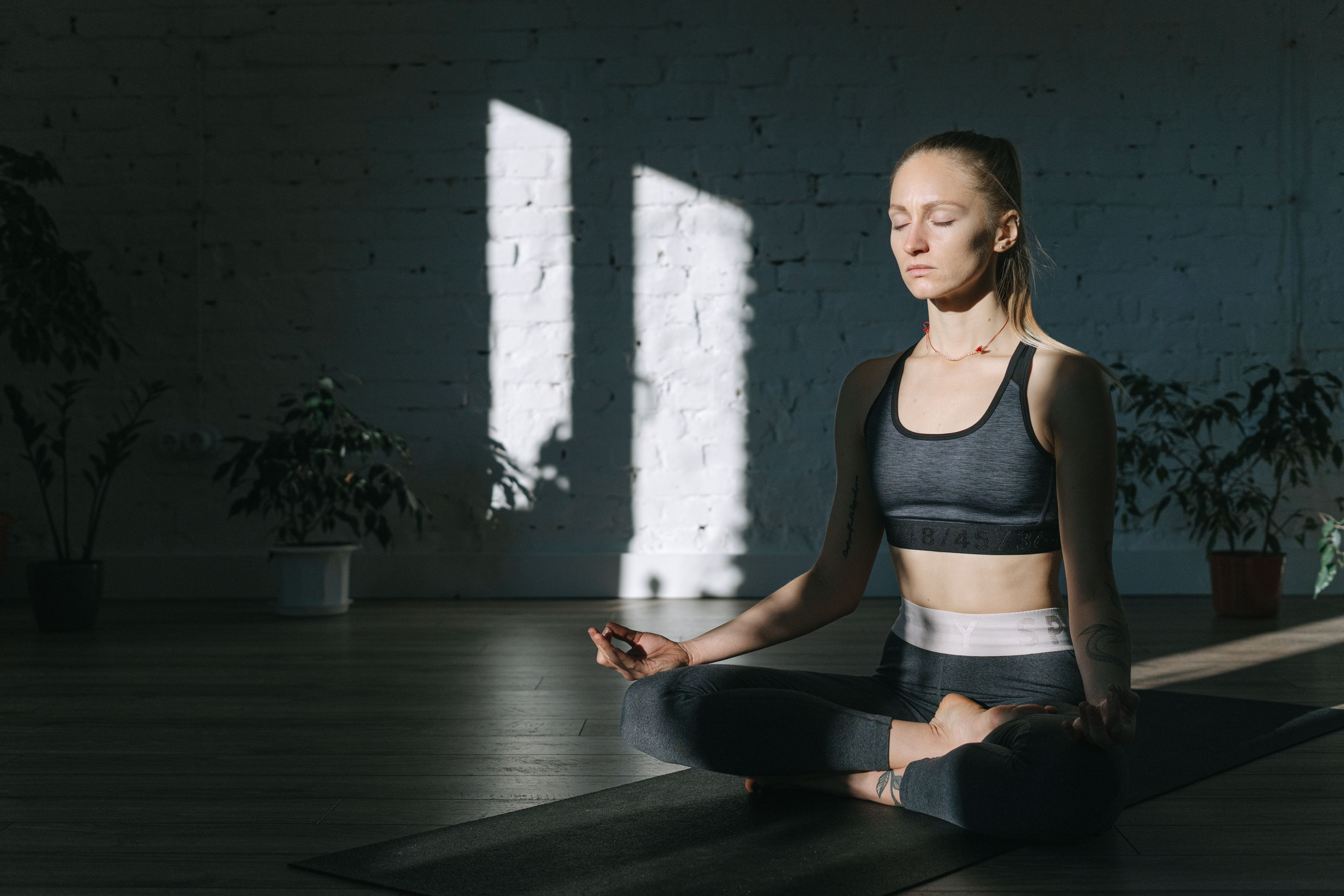
Do you ever feel wired but tired, or find it hard to switch off at the end of the day? You’re not alone. Busy schedules, constant notifications and everyday pressures can keep our bodies on high alert. The good news is that small, simple habits can help. Here’s a gentle guide on how to regulate your nervous system in everyday life.
What does it mean to regulate your nervous system?
Your nervous system constantly responds to what’s happening around you. When you feel under pressure, it shifts into “fight or flight” mode. Your heart beats faster, your breathing becomes shallow and your muscles tense up, ready for action.
When you feel safe, your body can move into “rest and digest” mode. This is where you slow down, recover and recharge.
Both states are normal and useful. The challenge comes when your body stays on high alert for too long. Learning to regulate your nervous system simply means helping your body return to a calmer state more easily.
Common signs you may need to slow down
Everyone experiences stress differently, but some common signs include:
- Finding it hard to switch off, even when you’re tired
- Shallow breathing or a tight chest
- Tension in your jaw, neck or shoulders
- Feeling easily irritated or overwhelmed
- Trouble falling asleep or staying asleep
These signs are your body’s way of asking for a pause.
Simple daily practices to help you feel calmer
1. Slow down your breathing
Your breath is one of the quickest ways to signal calm to your body. Try breathing in gently through your nose for a count of four, then breathing out slowly for a count of six. A longer exhale helps your body relax. Even two or three minutes can make a difference.
2. Move your body gently
Movement helps release built-up tension. You don’t need an intense workout. A short walk, some gentle stretching or a slow yoga flow can all help you feel more grounded.
3. Spend time outdoors
Time in nature gives your mind a break from screens and noise. In Perth, we’re lucky to have parks, rivers and beaches close by. A quiet walk in Kings Park or along the coast can be a simple way to reset.
4. Use sound to unwind
Many people find calming sounds soothing. You could listen to gentle music, try humming or attend a sound bath. Sound can be a lovely way to shift your attention away from busy thoughts.
5. Create a wind-down routine
Your body loves rhythm. Try dimming the lights, putting your phone away and doing something calming for half an hour before bed. Reading, a warm shower or a short stretch can all help.
6. Ground yourself in the present
When your mind races, bring your attention back to your senses. Notice five things you can see, four you can hear, three you can touch, two you can smell and one you can taste. This simple exercise can help you feel more present.
7. Connect with others
A good conversation, a hug or simply sharing a meal with someone you trust can help you feel safe and supported. Connection is one of the most natural ways to feel calmer.
Small steps add up
You don’t need to do everything at once. Choose one or two practices that feel easy and build them into your day. Over time, these small habits can help your body find its way back to calm more easily.
When to seek extra support
Daily practices can help, but they aren’t a replacement for professional care. If stress, anxiety or poor sleep is affecting your daily life, speak with your GP. They can talk through your options, including a referral to a psychologist if needed. If you ever need to talk to someone urgently, you can call Lifeline on 13 11 14, any time of day or night.
Finding calm at Perth Integrative Wellness
At Perth Integrative Wellness, our practitioner Sonja Hall offers intuitive and sound healing sessions, a gentle space to pause and unwind. Our boutique studio, close to the Perth CBD, will also host small classes and workshops, from yoga and breathwork to meditation and sound baths.
To learn more, visit Sonja’s practitioner page or explore our studio.